
"Hainan coffee beans"
1000 article(s) found

The difference between Nanyang Coffee and White Coffee Dewei Coffee
The difference between Nanyang coffee and white coffee is said to have been in the habit of drinking coffee since the 10th century. Locally, the coffee we drink is mainly divided into two categories: Nanyang coffee and white coffee. Compared with the people of Chaozhou and Fujian, the people of Hainan are a group of dialects who came to the south later. Under the circumstances that various industries have been occupied by people from other places of origin, in order to make a living, many early southward Hainan

Open up the blue ocean market in the fierce coffee market
Now, as long as you turn on the TV or read the newspaper, or surf the Internet, you will inevitably see all kinds of advertisements about coffee coming. It is undeniable that after the cultivation of the market and the distribution of more than 20 years of reform, China's coffee consumption market is rising rapidly. Coffee brands represented by Starbucks and Shangdao have carried out carpet extravagance in the Chinese market.

What are the differences in flavor characteristics between Yunnan coffee beans and Hainan coffee beans from the origin of Chinese coffee?
Professional coffee knowledge exchange more coffee bean information please follow the coffee workshop (Wechat official account cafe_style) front street-China coffee origin introduction refers to Asian coffee, the first impression of coffee lovers is often calm and calm. It is precisely because of the heavy nature of Asian coffee that when making Italian coffee,

Nanyang Coffee-the ancestor of Chinese coffee! Chinese people have different feelings in drinking coffee.
When it comes to Chinese coffee, the older generation will think of Nanyang coffee. Last night the code clerk made a cup of coffee for his grandfather at home. He talked a lot about Nanyang coffee while drinking it. "the coffee we used to drink was really fragrant and cool. Although it tasted rough, Nanyang coffee was created by the wisdom of generations of Chinese.

History and present situation of Coffee planting in China
The introduction and trial cultivation of coffee in China has a history of more than 100 years. It was introduced into Taipei County in 1884 and was later cultivated in Taichung and Kaohsiung counties. In 1908, large and medium-sized coffee was first brought back by overseas Chinese from Malaysia and planted near Nada on Hainan Island. Subsequently, overseas Chinese were introduced from Malaysia and Indonesia to Hainan University, Wenchang, Chengmai and other places for planting. Guangxi Youyue

Coconut live broadcast style caused controversy City Supervision Bureau response!
Professional coffee knowledge exchange more coffee bean information please follow the coffee workshop (Wechat official account cafe_style) more boutique coffee beans please add private Wechat Qianjie coffee, WeChat: qjcoffeex recently, the marketing industry's "old driver" Hainan Coconut Group (hereinafter referred to as "Coconut Group")

Coffee tree plant yield Planting environment Production area Manor Country introduction
Coffee planting introduction Many industry insiders also revealed to reporters that Hainan's coffee is currently on the verge of exhaustion of production sources. Most of the products on the market under the banner of authentic Hainan coffee are processed with Vietnamese and Yunnan coffee beans. Hainan imports about 3000 tons of coffee beans from Yunnan every year, and two or three thousand tons of coffee beans from Vietnam, Brazil and other places. Take Xinglong Coffee as

What is Nanyang coffee? Introduction to Nanyang Coffee Culture?
Professional coffee knowledge exchange more coffee bean information please follow the coffee workshop (Wechat official account cafe_style) a cup of Nanyang coffee, served with hard-boiled eggs and coconut sauce toast, this is the beginning of the day for many Singaporeans. As an important part of Singaporean diet, coffee also has its own culture and history. Want to further unravel the mystery of Nanyang coffee?
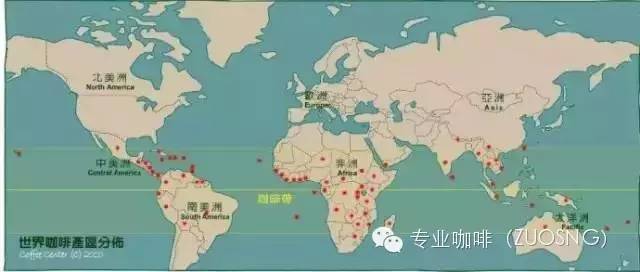
The Historical Progress of Coffee in China: how did Coffee enter China?
The history of coffee introduced into China is not long, and it was not until 1884 that coffee was first planted in Taiwan. In the mainland, the earliest coffee cultivation began in Yunnan. At the beginning of the 20th century, French missionaries brought the first batch of coffee saplings to Binchuan County, Yunnan Province, and coffee began to be grown on the mainland. In terms of natural conditions, many parts of our country, Latin America, South America, India and India

Watch out! Apart from tourists, what else can save the once brilliant authentic Xinglong coffee?
Presumably, there is such an experience when traveling to Xinglong, Hainan: Xinglong overseas Chinese Farm Coffee Factory is located in a botanical garden. We took us here with a tour guide to visit all kinds of tropical plants. The coffee factory exhibition area is very small. Some faded display boards introduce common knowledge such as coffee cultivation and coffee etiquette, which are easy to understand. There are some different kinds of coffee planted on both sides of the road, but it's a pity

When is the first peak period for the development of coffee planting industry in China?
By the end of the 1940s, according to recorded figures, there were 2173.33 hectares of rubber plantations on Hainan Island, with a total of 867600 rubber trees, with an annual output of 199,000 tons of dry rubber, more than 300,000 coffee plants and an annual output of 1 ton of coffee beans. According to a survey in the early 1950s, a large number of coffee was left in Fushan area of Chengmai County, with a total of 70,000 plants, including more than 40,000 plants in Daji Village and Fushan Farm (Hongguang Farm) 1

Baisha more than 300,000 jin of coffee beans have not been bought into hot potato coffee farmers are looking for buyers.
Baisha Coffee growing in Hainan Baisha Crater (reporter remake) Baisha Coffee growing in Hainan Baisha Crater (reporter remake) original title: Baisha more than 300,000 jin coffee beans unbought coffee farmers bitter looking for buyers growing in Hainan Baisha Crater White sand coffee, because of coffee flavor, good taste, it was once a favorite in the market

Chinese Coffee Culture | how did coffee enter China? Growth and Development of Coffee in China
Communication of professional baristas Please pay attention to the coffee workshop (official Wechat account cafe_style) Coffee was not introduced into China for a long time until it was first planted in Taiwan in 1884. In the mainland, the earliest coffee cultivation began in Yunnan. At the beginning of the 20th century, French missionaries brought the first batch of coffee saplings to Binchuan County, Yunnan Province, and coffee began to be grown on the mainland. From

Chinese Coffee Bean Origin and Import Market introduction of Coffee varieties in Yunnan and Hainan
Delicious, sweet, full-grained coffee the Dominican Republic (Dominican Republic) is next to Haiti, and both own the island of Hispaniola (Hispaniola). Like its neighbours, the Dominican Republic had a history of revolution and poverty, but now it has democratic elections and the country is relatively stable. In the early 18th century, coffee began in Dominique.

Where does coffee grow in China? does Yunnan coffee taste good? Yunnan small-grain coffee flavor description.
Professional coffee knowledge exchange more coffee bean information Please pay attention to the coffee workshop (Wechat official account cafe_style) Coffee the main producing area of coffee in Asia the most planned cultivation and consumption of ethnic groups are Arabs, so there is a saying: the name coffee comes from the Arabic Qahwah, meaning plant drink. A man in the Arabian Peninsula who grows coffee for Arabica

Create the first Village of Limiao Coffee in Hainan
In the season when grass grows and warblers fly, when we enter Changxing Village, Heping Town, Qiongzhong Li and Miao Autonomous County, the smell of coffee is in the air. It turns out that since the establishment of the Changxing Village Feishui Organic Coffee Cooperative in 2013, the former closed mountain village has now presented to the public a new business card of Li Miao style Coffee first Village. The transformation of Changxing Village is not only because the mountain village has foreign coffee, but also because it has access to foreign coffee.

Hainan Baisha meteorite ridge coffee sells for more than 300000 yuan a day.
Cheng Zongpei said that now e-commerce is being developed all over the country, and he sees that many young people are shopping online, and the consumer group is getting younger. With his experience, combined with his own coffee planting base, factory, so from production to packaging to sales all at once. Our products are good, so we are not afraid of no market.

The Historical Origin of Xinglong Coffee is Xinglong overseas Chinese Farm 1961 Coffee good? Xinglong coffee price
Professional coffee knowledge exchange more coffee bean information please follow coffee workshop (Wechat official account cafe_style) Xnglng coffee pinyin: Xinglong coffee (Xinglong Kafei) catalogue 1 historical origin 2 Xinglong coffee reputation 3 Xinglong coffee stir-frying 4 geographical indications protection 4.1 protection range 4.2 quality and technical requirements 4.3 quality features 4.4 special logo use
Medium coffee robusta coffee
Medium-grain coffee (Hainan Flora) Coffea canephora Pierre ex Froehn. In Notizbl. Bot. Gart. Berlin 1: 237. 1897 et in Engl. Bot. Jahrb. 25: 269. 1898; A. Cheval. Op. Cit. 186; A. E. Haarer, op. Cit. 17; Flora of Hainan 3: 349, figure 765. 1974; Atlas of higher plants in China 4:

Coffee bean roasting Famous Xinglong coffee roasting
Xinglong coffee is not to be missed when traveling to Hainan. Returned overseas Chinese not only bring the tradition of drinking coffee and the craft of making and brewing coffee to Hainan Xinglong, but also produce the famous Xinglong coffee. Xinglong Coffee settled in Xinglong in 1953, when Xinglong Farm was just established. In order to realize the practice of short-term growth, that is, coffee, citronella, rice and other short-term crops were used for income.